Spanish wines are wines produced in Spain. Located on the Iberian Peninsula, Spain has over 2.9 million acres (over 1.17 million hectares) planted—making it the most widely planted wine-producing nation but it is the third largest producer of wine in the world, the largest being Italy followed by France. This is due, in part, to the very low yields and wide spacing of the old vines planted on the dry, infertile soil found in many Spanish wine regions. The country is ninth in worldwide consumptions with Spaniards drinking, on average, 21.6 litres (5.706 US gal) per person a year. The country has an abundance of native grape varieties, with over 400 varieties planted throughout Spain though 80 percent of the country’s wine production is from only 20 grapes.
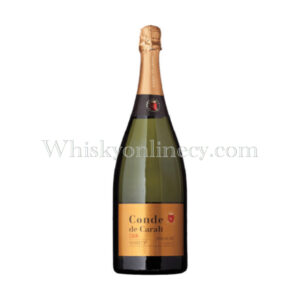
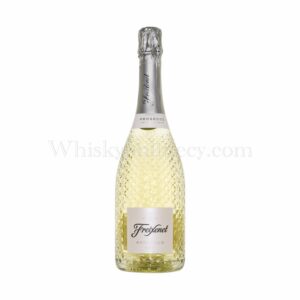
Colour: Bright straw yellow with balanced, medium-sized bubbles. This is taken directly from the official published appearance note for the release.
Nose: Clean and refined, with fresh white-fruit character and gentle ageing notes. This is based on the official producer description and retailer tasting summary.
Palate: Smooth, ample and balanced, with lively freshness and an easy-drinking sparkling texture. This is based on the official producer description and retailer tasting summary.
Finish: Harmonious and pleasantly persistent, leaving a rounded and clean impression. This is based on the retailer tasting summary and official producer style description.
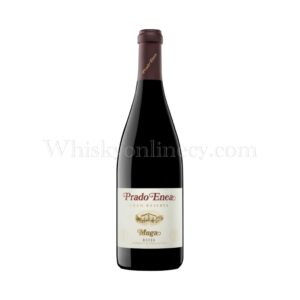
Grapes: Tempranillo, Garnacha, Mazuelo and Graciano.
Vinification: Prado Enea grapes are always the last to be harvested. harvest. They are carefully selected from high quality plots of altitude, located in the northwest of La Rioja Alta, in the municipalities of Sajazarra, Cellorigo and Fonzaleche. The grapes ferment in oak vats without temperature control or the addition of yeast. The maceration period is 16 days. This stage is followed by a stay of at least 36 months in French and American oak barrels. At the end of the aging period, the wine is lightly clarified with fresh egg whites before being bottled and kept in our cellars for at least another 36 months to complete the aging process.
Tasting: Prado Enea Gran Reserva 2015 presents an intense, attractive and medium deep cherry red color. On the nose, it presents an elegant array of black fruits with spicy undertones, ginger biscuits and licorice. The entry in the mouth, soft and ample, leads to a powerful palate with a feeling of power and a slight volume. We find velvety tannins in perfect harmony with its fresh and well-integrated acidity. There are also creamy and vanilla notes mixed with fresh fruit. This is a perfect wine to drink now, but it will continue to evolve well for several years.
Food and wine pairing: This wine goes well with stews, meat dishes and cheese, and can even be enjoyed. cheese, and can even be enjoyed on its own, without any accompaniment.
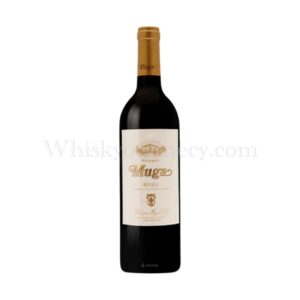
Harvested by hand, Fermentation with indigenous yeast in wooden vats.
Aged for 22 months in casks made from our selected oak. The wood is sourced in a proportion of 80% French oak and 20% oak from Central Europe and America.
Before bottling the wine is fined using fresh egg whites. It is then left to refine in our bottle cellar for a minimum of 9 months before release for sale.
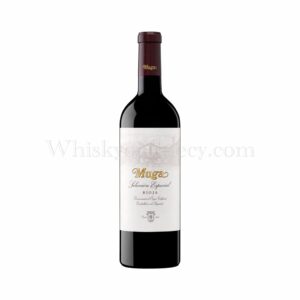
This sensational Reserva is truly worthy of its subheading. Though you can’t imagine that there are many non-special selections being made in Muga, this really is exceptionally fine wine. Made from a selection of the best parcels in their own vineyards and aged for a total of 44 months in oak barrels and in bottle, the wine has amazing ageing potential. Soft, smooth, elegant and medium-rich with flavours of red berry, smoky oak, coffee notes, black fruit and spice, it is utterly delicious, powerful yet balanced.
Tim Atkin, 96 points; wine of the year for 2021.
From one of the great houses of Haro, Muga’s wines are all worth getting excited about. They are the perfect living example of how to balance tradition with an embracing of the new, using oak in every part of the winemaking process, fining with egg whites (between 2 and 3 are enough for 100 litres), and yet a complete understanding of the technology in terms of vineyard research, fermentation processes, technical analyses, quality management and ISO standards that have only been available in the last twenty years or so.
The results are so obviously brilliant that one wonders why others aren’t all flocking to follow-on from Muga’s example. It could well be the cost that this devotion incurs as these are expensive philosophies to adopt; whatever the reason, there are few who consistently produce such recognisably smooth, complex and delicious wines as Muga. We’re lucky to have them.
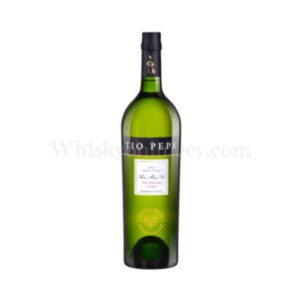
Tío Pepe, produced by González Byass in Jerez de la Frontera (Cádiz), is one of the most famous and acclaimed sherries in the world.
This 100 percent sherry is made from Palomino grapes planted at a 600 acre estate on the outskirts Jerez, in the “Jerez Superior” area.
The harvest is carried out manually and the grapes are transported in 15-kg boxes to prevent them from breaking and beginning fermentation prematurely.
The grapes are gently crushed to obtain the first pressing. Fermentation takes place in stainless steel tanks at a controlled temperature. The must obtains 12-13% alcohol content, and will later be used as a “vino fino” (refined wine) or Oloroso sherry.
Wine that is selected to become part of the “criadera” of Tío Pepe is fortified with wine alcohol up to 15% ABV, becoming a “Sobretabla Fino” that will age one more year in American oak casks before becoming part of the “Criaderas y Solera” range, a denomination it will keep for at least five years.
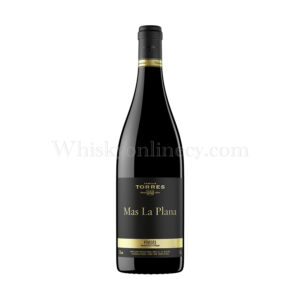
Located in the heart of the Penedès, in the Turons de Vilafranca sub-region, and bordered by the Foix River and the Llitrà stream, the 29-hectare vineyard is spread over ten plots and two levels, with clayey soils in the lower reaches and predominantly marl in the upper reaches. Here, the old Cabernet vines, planted in the 1960s, have taken root well and produce balanced wines, also influenced by the Mediterranean climate. Mas La Plana is now a vibrant natural ecosystem thanks to regenerative viticulture, which aims to restore the soil’s natural fertility, prevent erosion, and promote biodiversity, while increasing the vineyard’s capacity to absorb atmospheric CO2, thus contributing to the fight against climate change.
DO Penedès
With 2,700 years of winemaking history behind it, making it the oldest wine-growing region in Catalonia, the Penedès DO is wide and open, stretching across a stretch of land between the sea and the mountains, halfway between Barcelona and Tarragona. The influence of the Mediterranean sun and sea makes the Penedès a privileged territory for grape growing. This uniqueness gives rise to the diversity of Penedès DO wines. A thousand flavors and aromas are the result of the differences in climate, landscape, and soil.
THE LEGEND DRESSED IN BLACK
The fruit of Miguel A. Torres’ vision and determination, Mas La Plana burst onto the international scene in 1979 when, with its first 1970 vintage, it defeated the world’s leading Cabernets at the Gault & Millau Wine Olympics, held in Paris. Thus was born the legend of a wine that represented a paradigm shift at the time and set the course for producing superior wines from our own vineyards. Over time, it has evolved to reach its peak of expression today, thanks to the strong roots and balance of the old Cabernet vines.
Miguel Torres Anthology
The Miguel Torres Anthology encapsulates our essence as the Torres Family and represents the harmonious union of nature and the expertise of our winemakers. These are our most iconic wines, selected for their unique origins and exclusive production. Five wines share a common theme, faithfully representing the vineyard where they are born and the effort to give each one a unique identity.