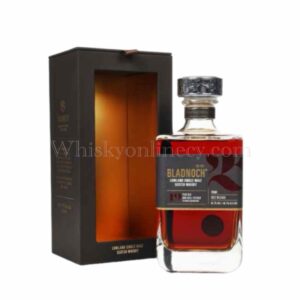
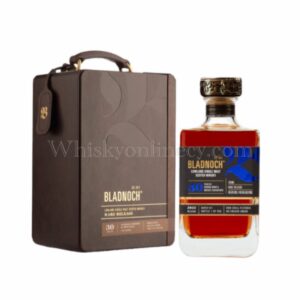
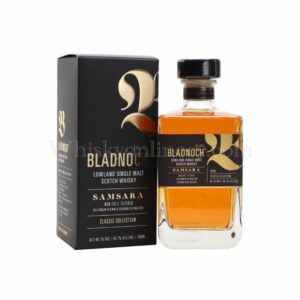
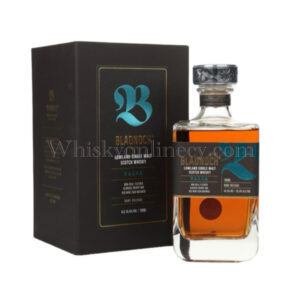
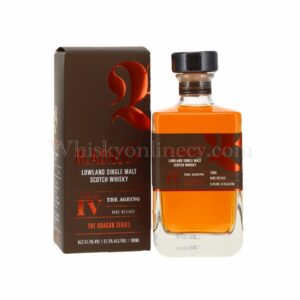
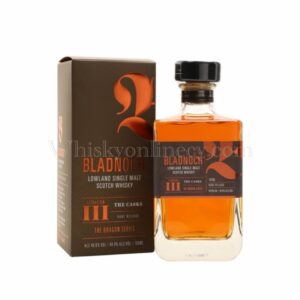
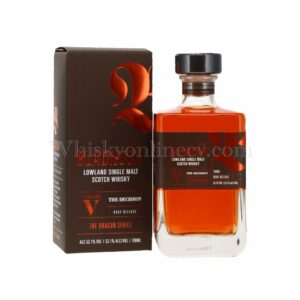
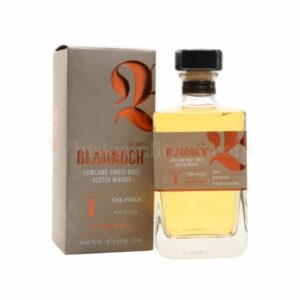
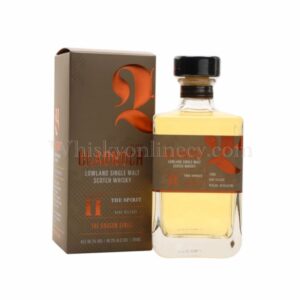
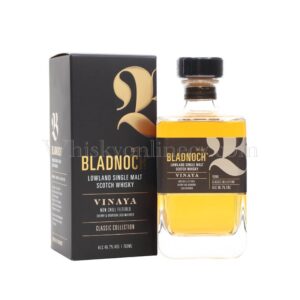
Bladnoch distillery sits resolute in the green pastures of Wigtownshire. The Southernmost distillery in Scotland, the Bladnoch distillery takes its water from its namesake – the River Bladnoch – which rises at Loch Maberry in Kirkcowan. The distillery was established in 1817 by the brothers McClelland: John and Thomas, who licensed it in 1825. Part of a farm, Bladnoch utilized the rich barley from the surrounding fields. The buildings were refurbished during the latter part of the nineteenth century, though in 1905 distillation ceased totally. Ownership changed hands several times, from the Irish Dunville and Co and then to A B Grant, who began distillation once more. For a time, fortunes were highly favourable and, a decade after reopening, the stills were doubled to number four. During the 1980s, Bladnoch was under Guinness ownership and then United Distillers, closing officially in June of 1993. Diageo sold the distillery to Raymond Armstrong in 2003. Raymond had originally intended to use it as a holiday home and it was sold strictly for this purpose alone. However, after petitioning from both Raymond Armstrong and the local townsfolk, Diageo allowed production once more, though it may not exceed 100,000 litres per annum. There have been many independent bottlings over the years, from bottlers such as Gordon and MacPhail and Douglas Laing. Having restarted production at the turn of the millennium the first official post-Armstrong bottlings were released in 2008 in the shape of three six year olds; one bourbon and one sherry matured offering, as well as a lightly peated expression, all of which have all been well-received
Colour: Golden hue. This is supported by the official Bladnoch product description rather than a separate formal colour line.
Nose: Dark liquorice sticks and aged oak with a floral background.
Palate: Liquorice sticks with dried apricots, almonds, and nutmeg.
Finish: Long, warming, and oak-led. This is an inference based on Bladnoch’s official three-word profile, “Liquorice, apricots, oak,” and the published palate structure.
Colour: Deep gold to amber. This is an inference based on the Oloroso and Moscatel cask style and retailer imagery rather than a formally published colour note.
Nose: Floral notes, dried apricots, and nutmeg.
Palate: Rich almonds and marzipan with Seville oranges.
Finish: Light, floral, and fruity, with a hint of black pepper.
Colour: Deep gold to amber. This is an inference based on the bourbon-and-sherry cask mix and retailer imagery rather than a formally published colour note.
Nose: Cinnamon sticks, root ginger, and citrus.
Palate: Raisins, toffee popcorn, and more warming root ginger spice.
Colour: Deep gold with reddish warmth. This is an inference based on the Tokaji and Canasta cask mix and retailer imagery rather than a formally published colour note.
Nose: Crushed red grapes and coffee cremes.
Palate: Coffee cremes complemented by sweet and tangy apricots, with a hint of nutmeg.
Finish: Thick, long-lasting, and satisfyingly sweet.
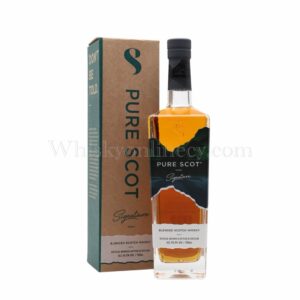
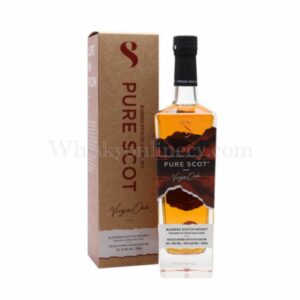
Pure Scot is for the radicals, the mavericks and the individuals. Midnight Peat is their drink for when the sun goes down.
Beside the last embers of a glowing bonfire, amongst the smoky haze of an underground bar, or seizing a moment of spontaneity, Pure Scot Midnight Peat is for the explorers of the night.
Finished in smoky, spicy ex-peated whisky casks, Midnight Peat is designed by acclaimed Master Distiller, Nick Savage in collaboration with Australian cocktail bartenders